
Rubber Rollers, PU Rollers and Industrial Conveyor Rollers
Rubber Rollers
TOP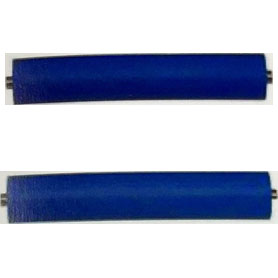
Rubber rollers are used for conveying, coating, transmission, laminating, stamping, textile sizing, and general industrial equipment. Materials can be selected according to the operating environment, hardness, chemical exposure, and mechanical load.
| Materials | NBR, EPDM, silicone rubber, nitrile rubber, SBR, fluororubber, neoprene, butyl rubber, natural rubber, and polyurethane rubber. |
|---|---|
| Features | Oil resistance, acid and alkali resistance, solvent resistance, abrasion resistance, and stable operation. |
| Applications | Transmission, coating, plastic processing, laminating, hot stamping, textile sizing, and custom equipment use. |
PU Rollers
TOP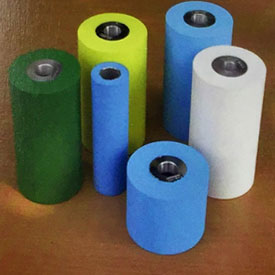
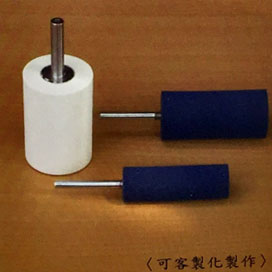
PU rollers provide strong mechanical strength and wear resistance, making them suitable for heavy-duty or high-abrasion equipment. They are commonly used in printing, coating, laminating, textile machinery, forklifts, and production lines requiring durable roller performance.
| Material | Polyurethane, commonly known as PU. |
|---|---|
| Features | Solvent resistance, wear resistance, heat resistance, load resistance, and good mechanical strength. |
| Customization | Roller dimensions, shaft material, hardness, surface finish, and groove patterns can be customized by application. |